
They're Training Like an Athlete.They're Not Eating Like One.
They're in the weight room. They're at every practice. They're eating what feels like a ton of food.
So somebody says they're just a late bloomer. Somebody else says they've got a fast metabolism. Everyone nods, because it's the kind of answer that lets you wait.
The problem is that waiting is not a plan, and their junior year is not going to wait on them.
Here's what's actually happening. Practice ends at 7. They get home at 8, eat whatever's in the fridge, and goes to bed. Breakfast is a bowl of cereal, if there's a breakfast at all. Lunch is whatever the line is serving, eaten in the 15 minutes left after they get through the line. Then nothing until practice. By the time they're under the bar at 3:30, their body has been running on almost nothing for hours.
That's not a metabolism problem.
Muscle isn't built during practice. It's built in the hours between practices. Nobody ever gave him a plan for those hours.
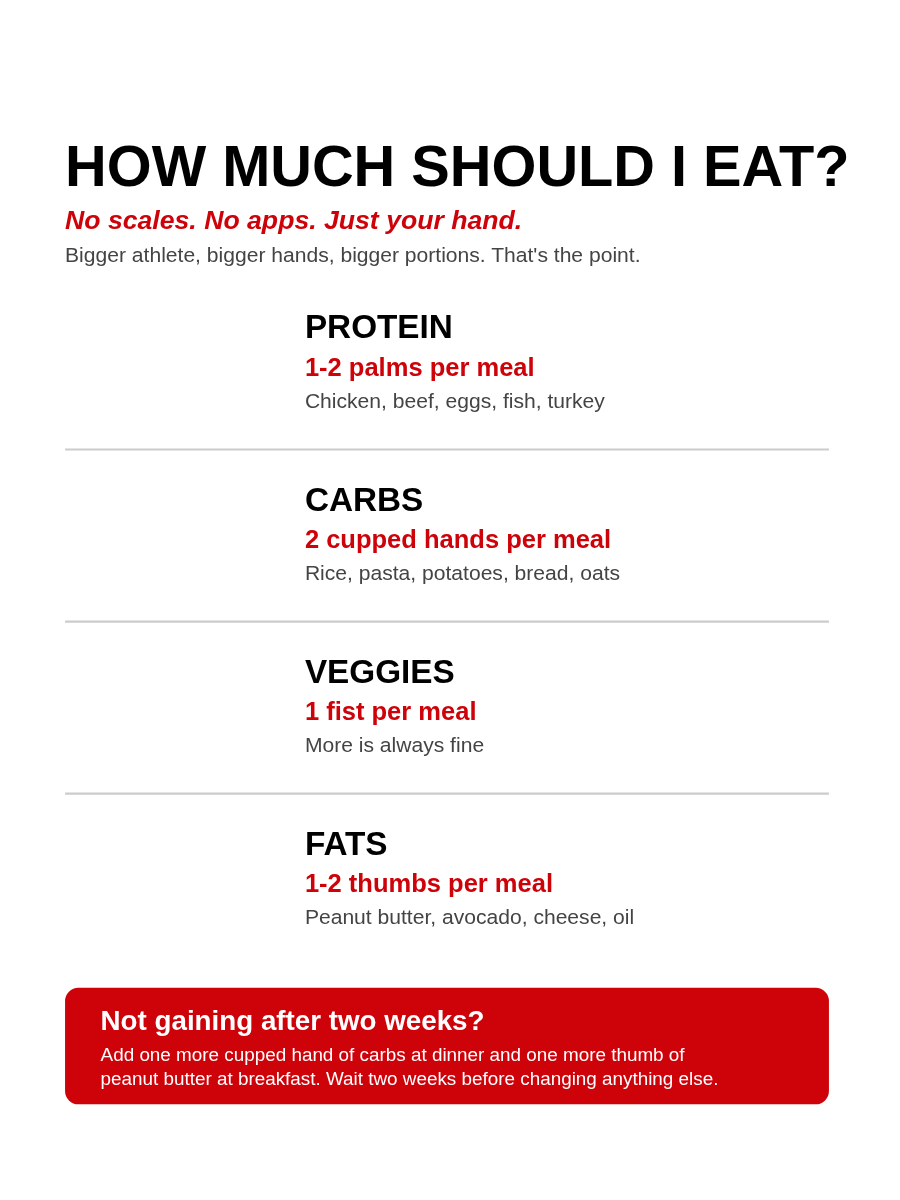
So this is that plan. 8 weeks of exactly what to eat and when, built around the practice schedule he actually has. No calorie counting. No tracking apps.
And once it's in their hands, it stops being something you have to remind them about.
Get the Roadmap · $29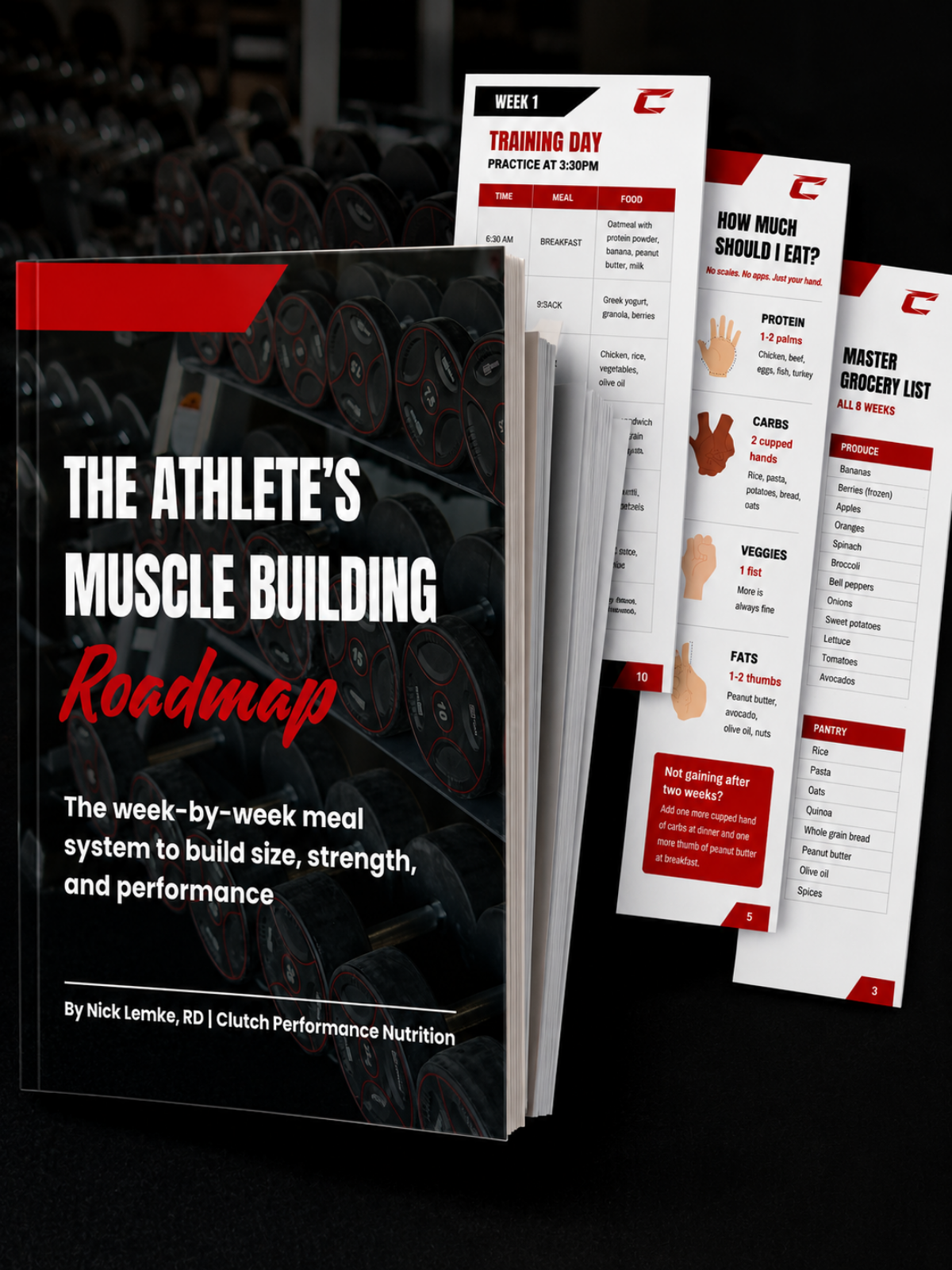
[FANNED ROADMAP PAGES] pending, add behind cover when available
The Athlete's Muscle Building Roadmap
8 weeks of meal plans built around real practice schedules. $29.
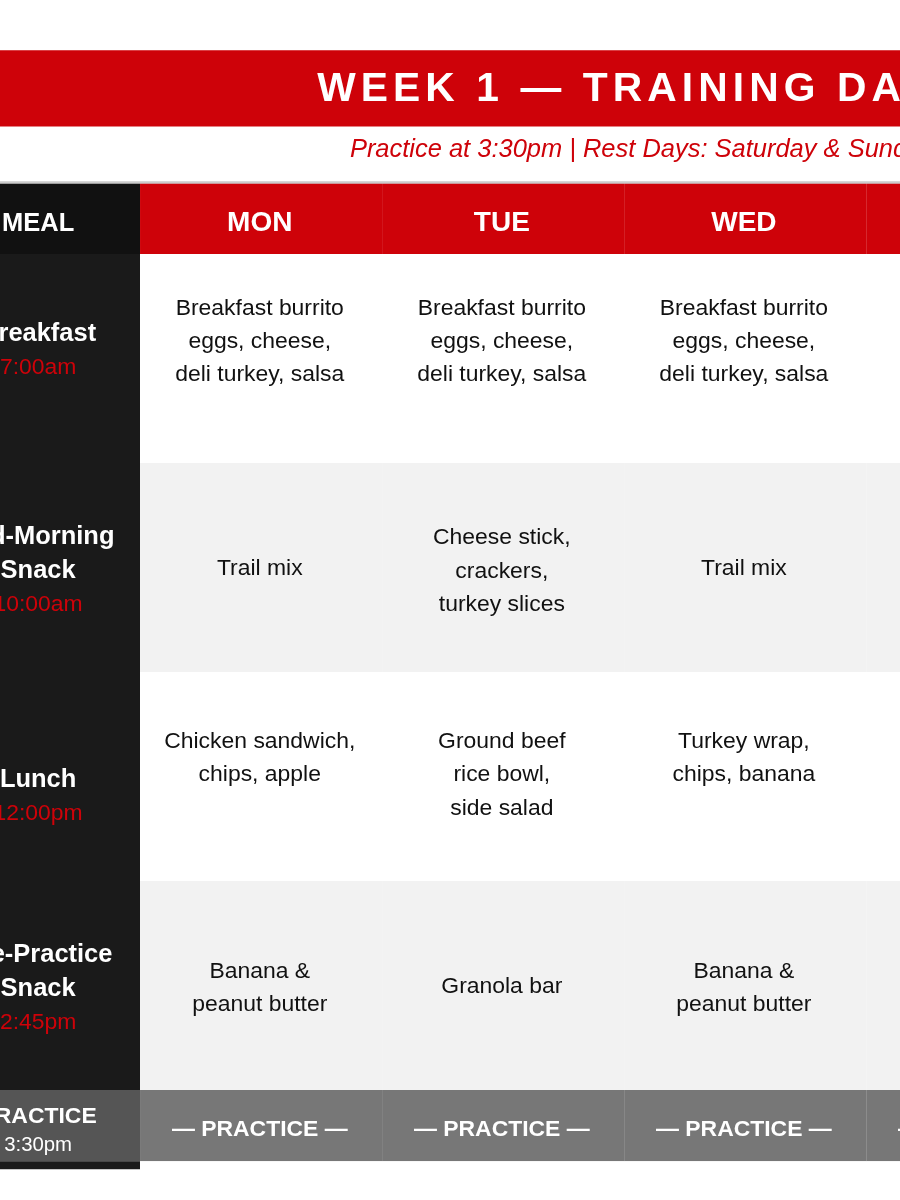
Most meal plans assume a normal day. Athletes don’t have one. Practice moves. Lift times change. Some days there are back-to-back sessions.
So every week in here is built around a different training schedule. Early morning. Afternoon. 7pm. Two-a-days. Find the week that matches what's on the calendar right now and start there.
Every week also has its own rest day plan, because Sunday matters as much as game day.
Written by a sports dietitian who works with athletes trying to play at the next level. Built to be followed by a 16 year old without a parent standing over them.
This Is What You're Getting
Real Athletes. Real Numbers.
What changed once the plan matched the schedule
6'1 and 140 lbs when we started. Got to 170. Exit velocity 87 to 94 mph. 60 dropped from 7.77 to 6.7. Committed D1 to the University of Portland.
Underweight quarterback coming back from a torn ACL. Put on 15 pounds, broke his school's passing yard and touchdown records, committed to play college ball.
Undersized lineman. Gained over 20 pounds and committed to Minot State.
"At our first scrimmage several parents came up to me and commented about how much stronger Hudson looks. He fills out his uniform much more than last summer."
"I finally got my weight up to where I want. I'm sitting right now around 167. I feel so much stronger and better now."
"She's locked in. I laminated the charts you sent for the kitchen as a reference, it helps us know what to eat and when. I'm so impressed with her consistency."
Everything Inside
- 8 full weeks of daily meal plans, breakfast through bedtime
- A separate rest day plan for every week
- Blank planner pages so they can build their own once they have the rhythm
- The hand portion guide. Know how much without weighing or tracking anything
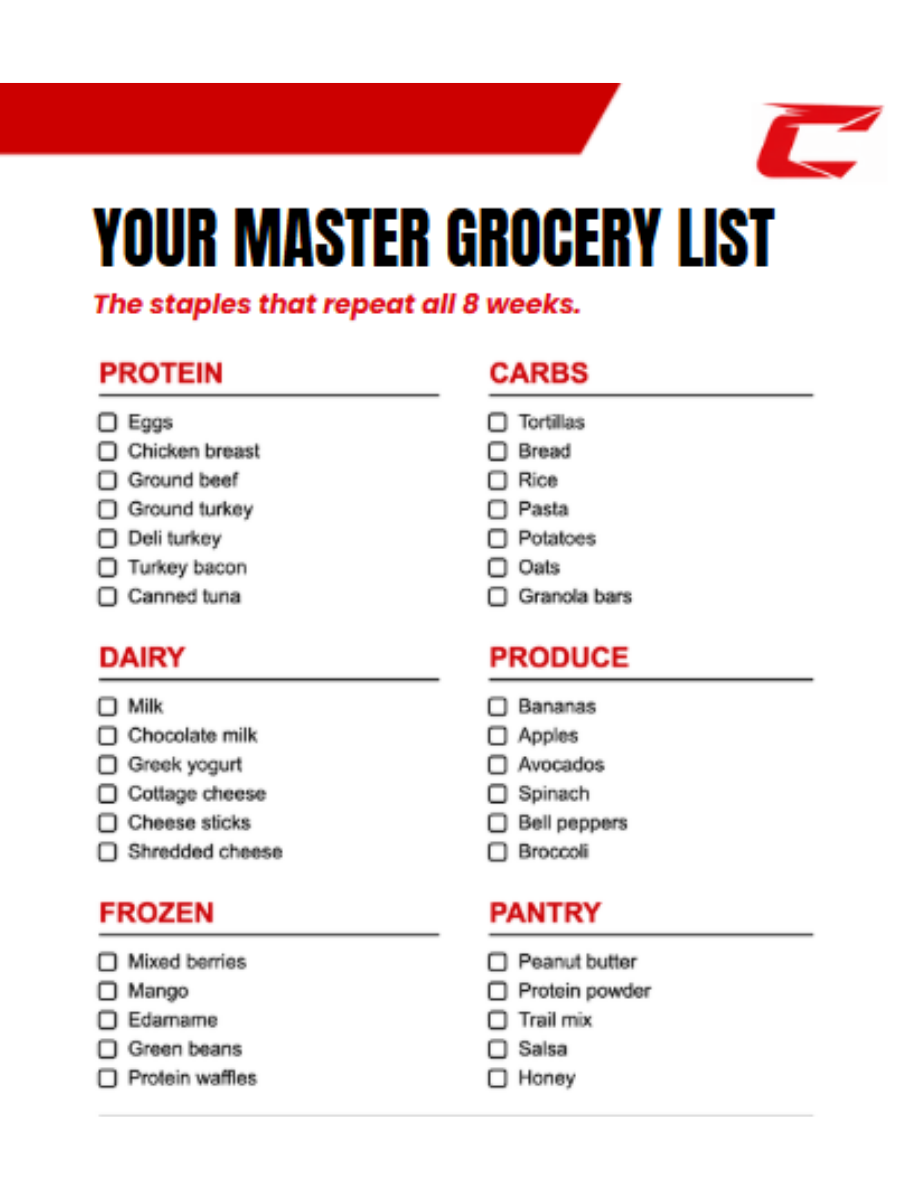
- A master grocery list, sorted by section
- 3 built in check in points so progress shows up in numbers, not guesses
- 10 rules to read before starting, and come back to whenever it slips
30-Day Money-Back Guarantee
Try the Roadmap completely risk-free. If your athlete follows it and you don't feel it was worth it, email me within 30 days and I'll refund every penny. No questions asked.
Before You Buy
Will they actually use it, or is this going to sit in my email?
It's written to the athlete, not to you. Every week is a grid they can pull up on their phone at 6am and know exactly what to grab. It gets easier the more they look ahead, so most athletes glance at the week on Sunday and know what's coming before it hits them. There's nothing to calculate, log, or set up.
Is this going to blow up my grocery budget?
No. It's built on normal food from a normal grocery store. Eggs, chicken, rice, pasta, ground turkey, peanut butter, frozen fruit. The master grocery list is organized by section so one trip covers the week. The bigger change is usually buying more of what you already buy.
My kid is a picky eater.
Expected. Every week includes blank planner pages for exactly this reason. Follow the plan as written if it works, or use the same structure and swap in the foods they'll actually eat. The Roadmap teaches the pattern, not just the menu.
Our practice schedule changes constantly.
That's the reason this exists. 8 weeks, 8 different training schedules, including two-a-days. When the schedule shifts, jump to the week that matches. You're never stuck following a plan built for someone else's calendar.
Will this work for my daughter?
Yes. Nothing in here is male specific. Female athletes who want to get stronger and hold size through a season need the same thing: enough food, at the right times, around training.
Stop Guessing. Start Eating Like It Matters.
They're already doing the hard part. This is the part nobody taught them.
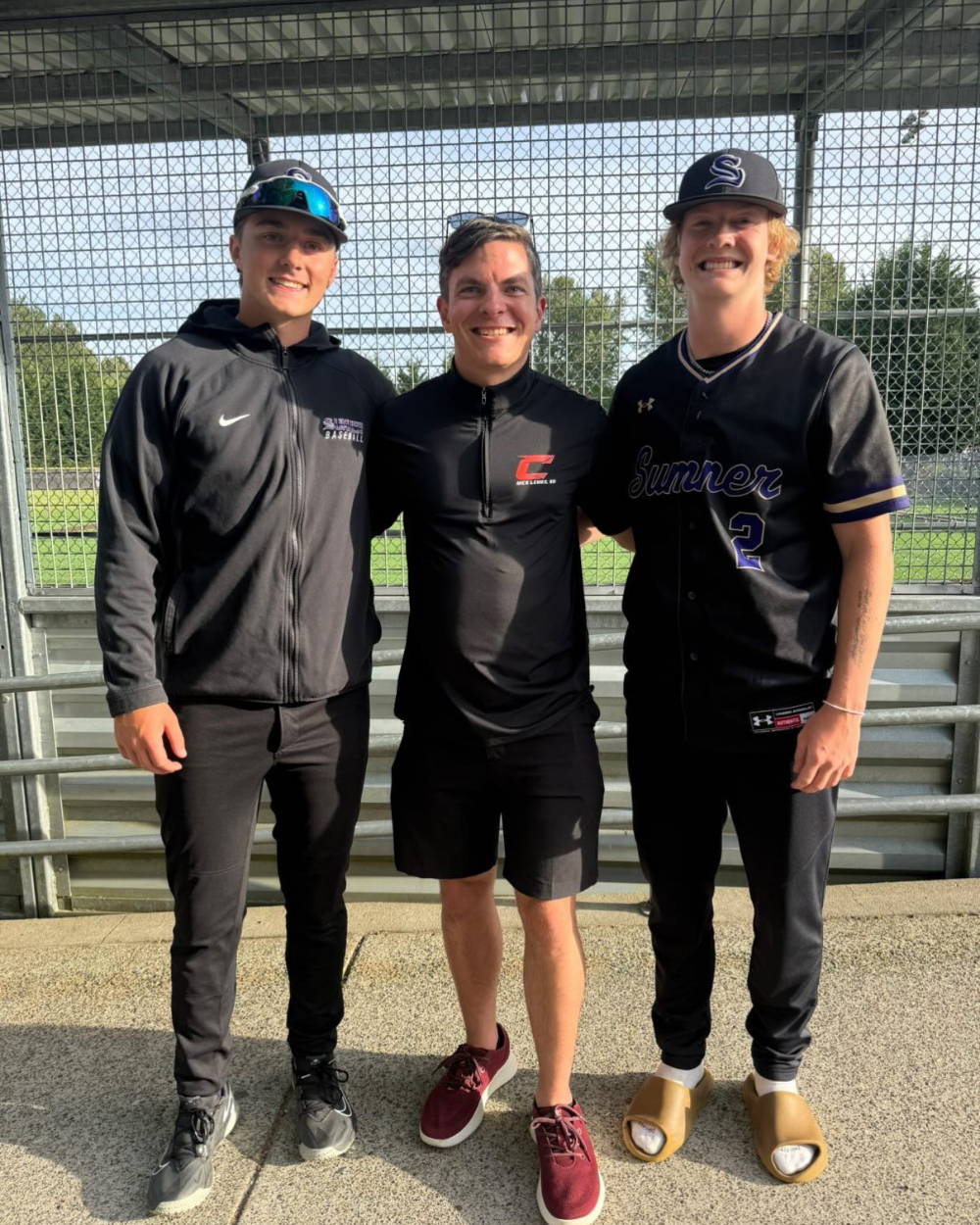
I'm Nick Lemke, RD, a sports dietitian and the founder of Clutch Performance Nutrition. I work with high school athletes trying to add size without losing speed. This is the same system I start every one of them on.